BOARDROOM BRIEF – Bendix Academy Mission — One Sentence, A Lifetime of Meaning

The formal Bendix Academy Mission Statement reads:
“Bendix Academy equips young people with toolmanship, mechanical self-reliance, and career readiness through intergenerational mentorship that builds confidence, maturity, and life-long skills.”
Like all mission statements, it is one sentence. It is direct. It is distinct. And every word has meaning.
But I will tell you this plainly—there is far more behind that one sentence than it appears.
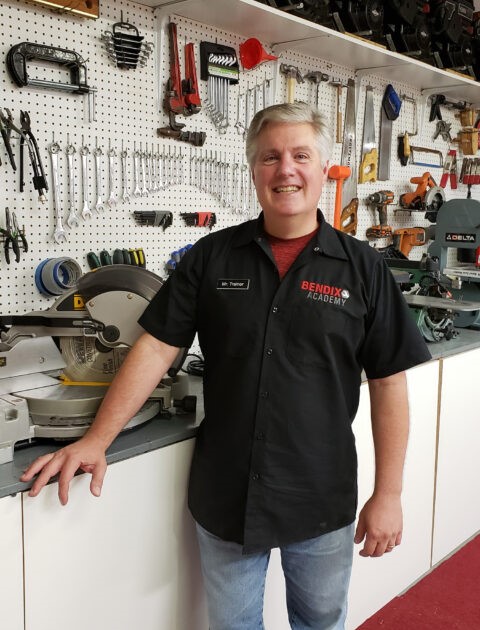
As the founder of Bendix Academy, I feel personally responsible for articulating this mission properly. It represents not only what we do, but why we exist. It shows up everywhere—grant proposals, presentations, conversations with parents, discussions with industry leaders, and perhaps one day, even on a larger stage.
And yet, for those who want to understand us more deeply, I find that the mission statement invites explanation.
So I’d like to take you behind that one sentence—into the problem we see, the solution we are building, what we believe, and the deeper purpose that drives every lesson, every mentor, and every student who walks through our doors.
The Problem — A Slow-Moving Crisis
Many of us have seen it coming for years. In fact, I often describe it this way: we are watching a train wreck in slow motion.
Across our country, there is a growing shortage of people who possess mechanical skill—true, hands-on toolmanship.
This shortage affects the trades, engineering pathways, maintenance industries, and countless service roles that quietly keep our communities functioning every day. But the shortage did not happen overnight.
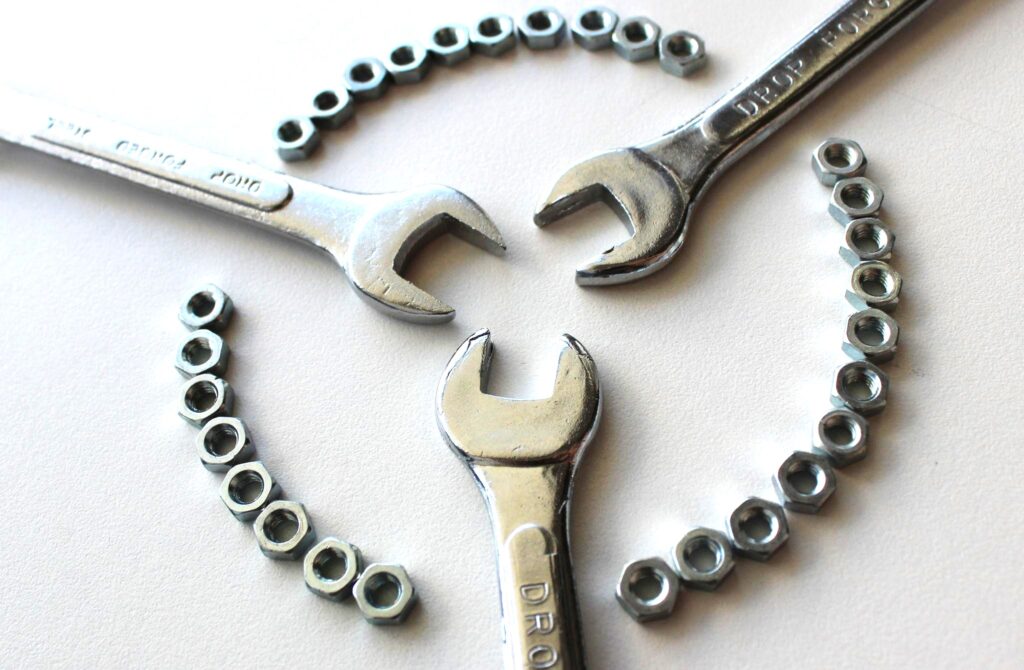
For generations—literally thousands of years—toolmanship was passed down within families. Fathers, grandfathers, uncles, neighbors—someone always showed the next generation how to use tools, how to fix things, how to build, how to think mechanically.
Then, something remarkable happened in the 20th century. Public schools stepped in. From roughly the 1940s through the 1980s, shop classes were common. Wood shop, metal shop, small engines—these were not electives for a few. They were a normal part of growing up. They provided exposure, confidence, and foundational skills to millions of young people.
And I would argue—they played a role in shaping one of the most capable, mechanically literate generations our country has ever seen. But beginning in the 1990s, those programs began to disappear. Quietly. Without much announcement. And without a plan to replace what was lost.
In many places, shop classes were removed or replaced with broader career and technical education programs. While valuable in their own right, these programs often do not emphasize foundational toolmanship as a life skill.
And here is the critical point: When schools stepped away from teaching these skills, the responsibility was effectively handed back to families. But families were not prepared to take it back. Generations had already passed since many parents themselves had learned these skills. The chain had already begun to break.
Today, we are living with the consequences: Young people reaching adulthood without basic mechanical confidence; A widening gap in workforce readiness for skilled trades and technical fields; Increased reliance on paid services for even the simplest repairs; A loss of self-reliance at the individual and family level; And a growing disconnect between people and the physical world around them.
I could speak on this problem for hours. In many ways, I already have. But identifying the problem is only part of the story.

The Solution — Rebuilding What Was Lost
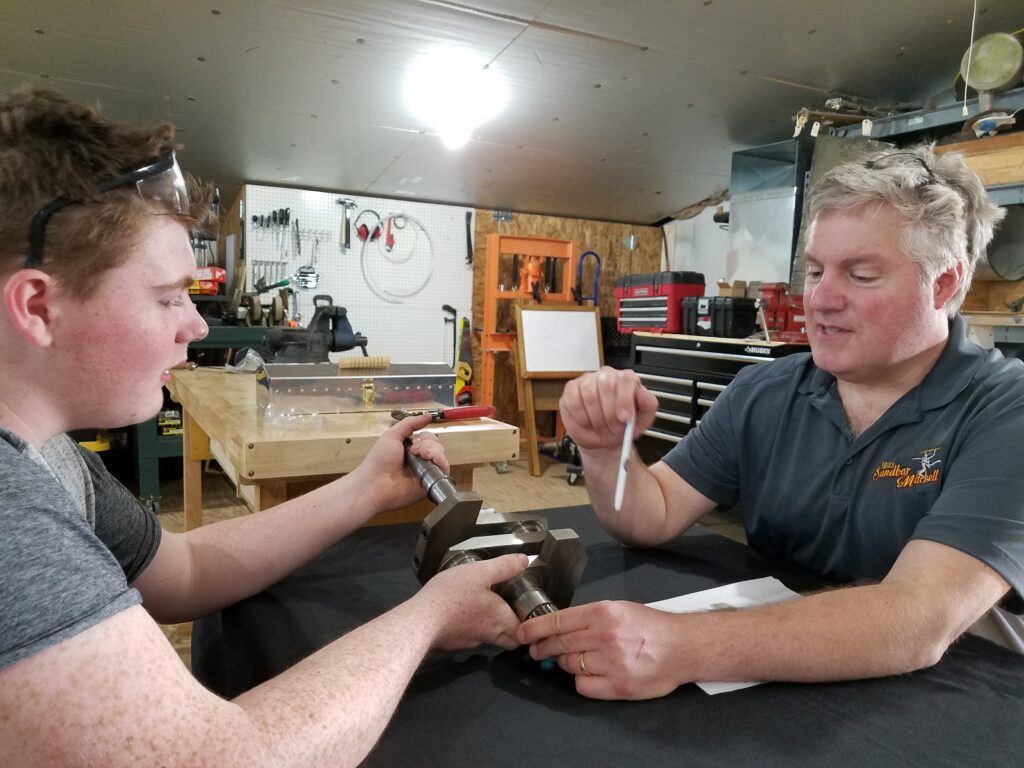
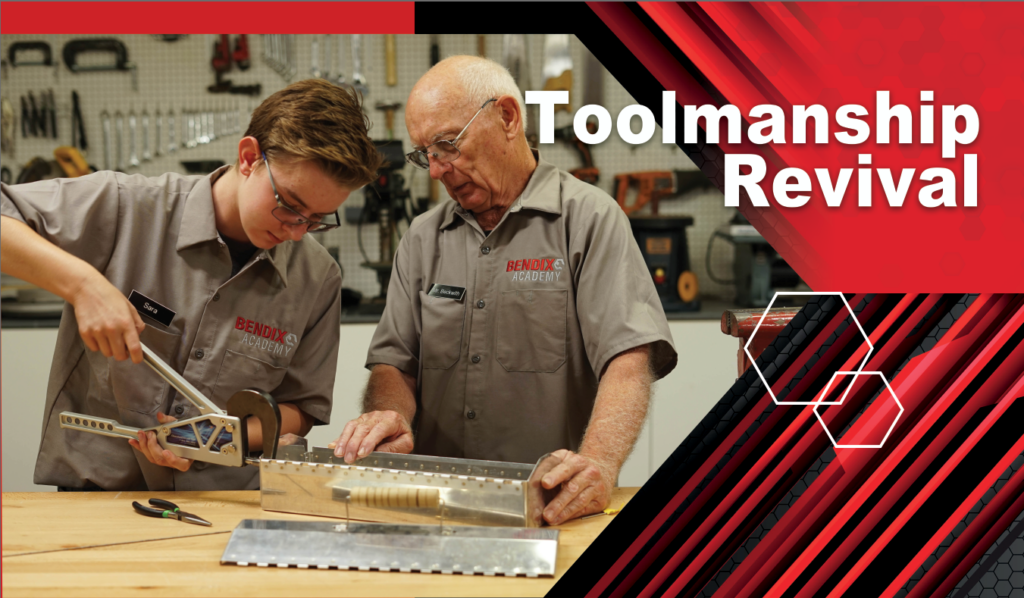
Bendix Academy exists to rebuild something that once happened naturally. At its core, we are creating a place where generations come together—to teach, to learn, to explore the mechanical world side by side.
We are organized as a nonprofit because this work is not about profit.
It is about community. It is about Access. It is about IMPACT.
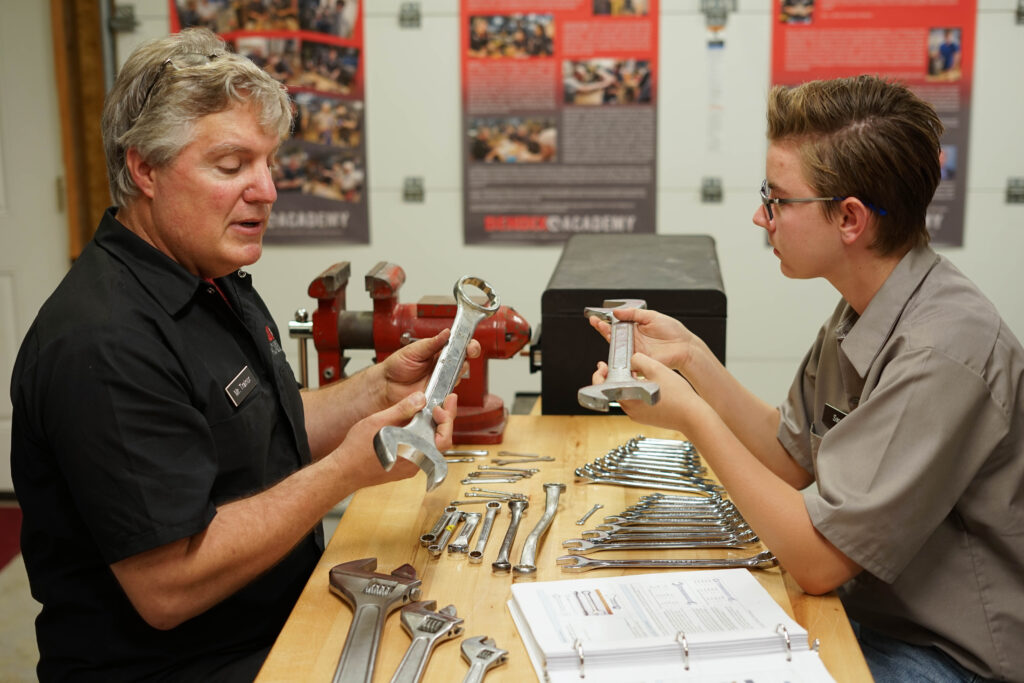
What we are doing is simple in concept, but powerful in execution: We are recreating the kind of mentoring I experienced growing up in the 1970s with my father and grandfather. There were no grades. There were no certifications. There was no curriculum binder sitting on a desk.
But there was something far more valuable: Time. Attention. Guidance. Expectation. And the quiet building of confidence. At Bendix Academy, we have taken that model and made it available to students who may not otherwise have access to it.
We provide:
- 2 to 2.5 hour lessons, allowing real immersion
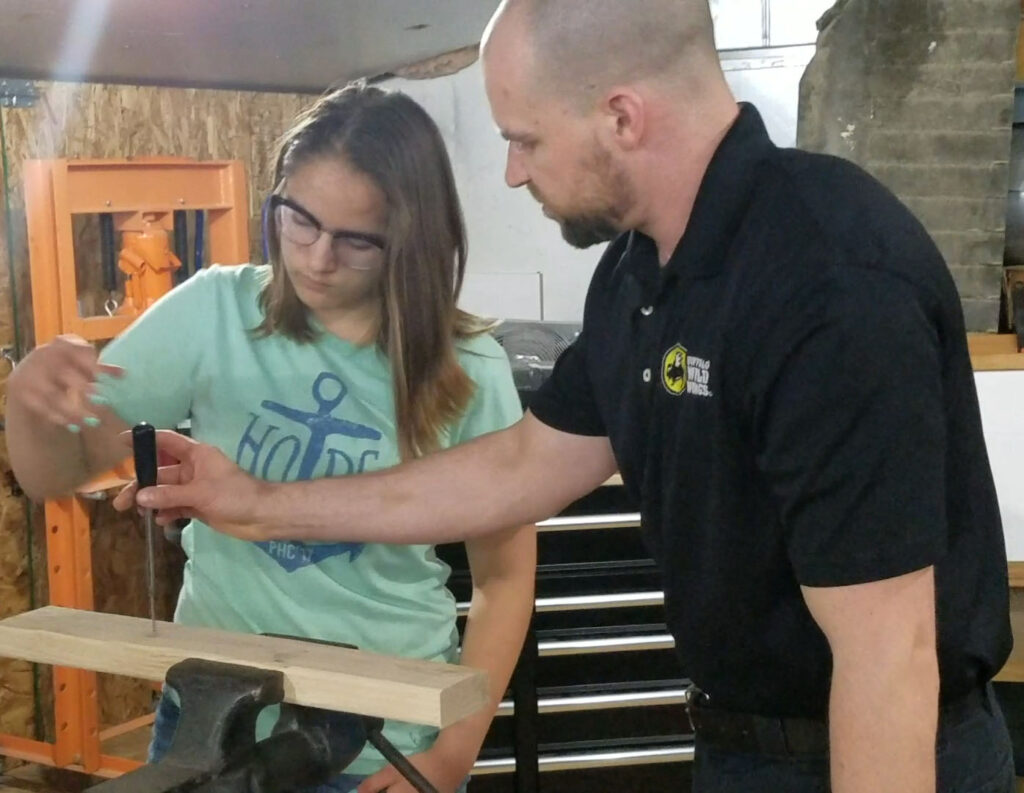
- One-on-one mentoring, where each student receives focused attention
- Flexible scheduling, just like life actually works
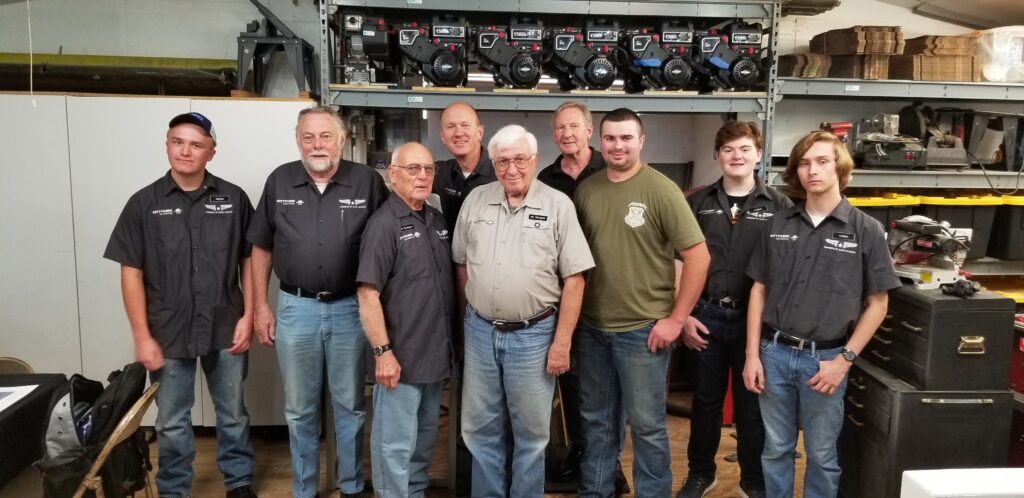
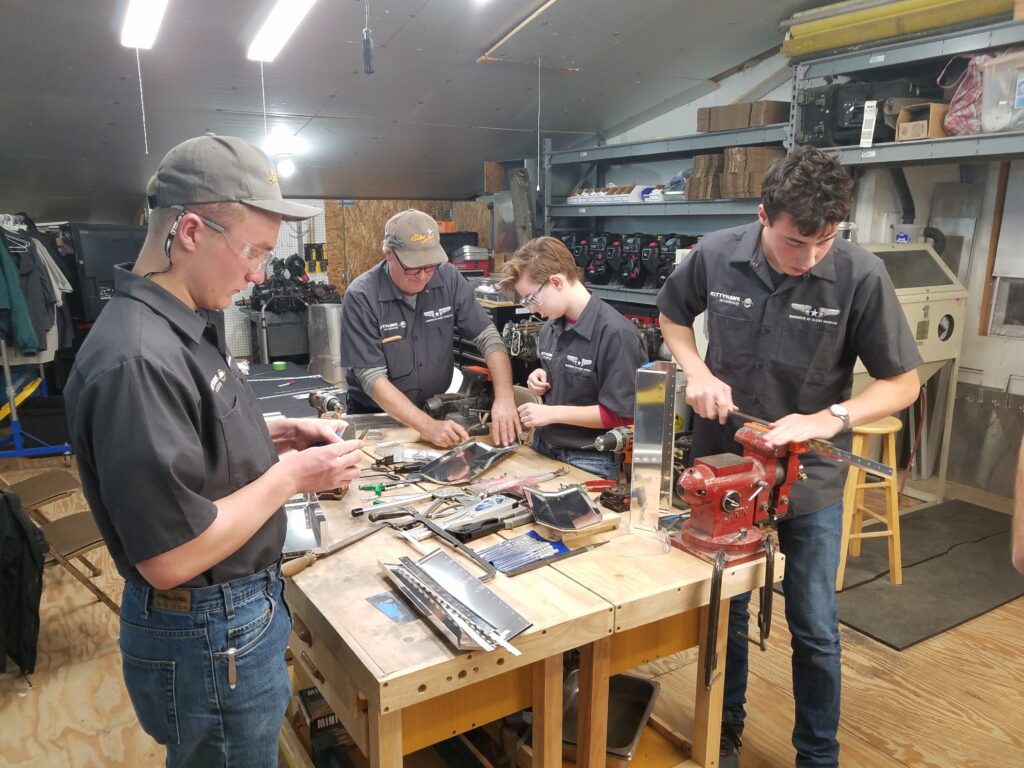
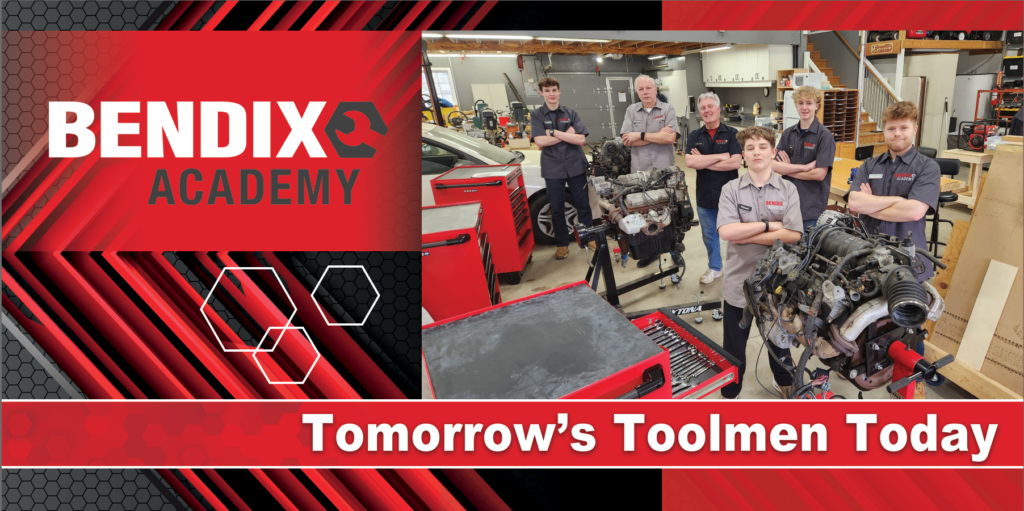
- Volunteer mentors, many of whom are retired tradesmen and engineers
- A structured yet natural learning experience, guided by our EDHR methodology: Explain, Demonstrate, Hands-On, Review
We operate outside of school—much like scouting has for over a century—but with a different focus.
And importantly: We do not measure success with grades. We measure success in confidence, capability, and character.
What We Believe — The Foundation Beneath the Mission
Our mission is built upon a deep set of beliefs, what we formally call our
- Principle Beliefs, and
- Core Values.
These are not decorative words. They guide how we teach, how we mentor, and how we interact with every student.
Let me share a few of the most important:

We believe in opportunity—that every young person should have access to learning toolmanship.
We believe that mechanical skill expands possibilities, regardless of one’s formal education path.
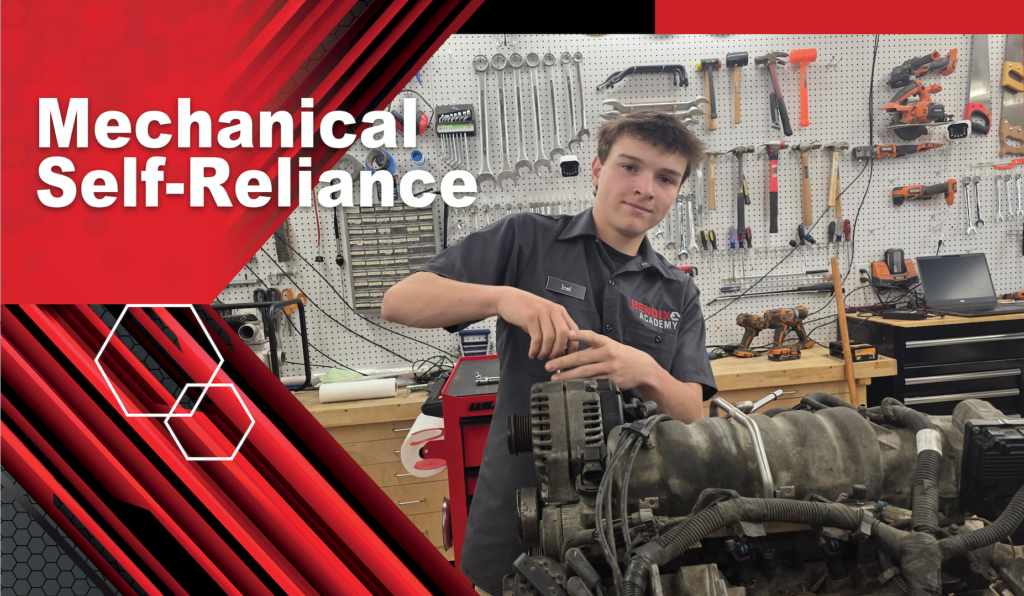
We believe in mechanical self-reliance—that the ability to repair, maintain, and build is essential to living an independent life.
We believe mentoring should be both organic and structured—natural in feel, but thoughtfully designed behind the scenes.
We believe every student is unique, requiring patience, adaptability, and respect for individuality.
We believe that a true toolman uses their skills for the common good—to serve others.
We believe in the power of generations learning together—preserving knowledge that would otherwise be lost.
We believe in stories—because stories carry wisdom in ways instruction alone cannot.
We believe in hands-on mastery—that real understanding comes from doing, not just observing.
We believe in discipline—organized workspaces, patience, perseverance, attention to detail.
We believe in professional behavior—even in a shop setting.
We believe in affordability—that no student should be turned away because of cost.
And importantly: We believe in passing it on. That mentorship is not a one-time event—but a cycle. Those who learn today will teach tomorrow.
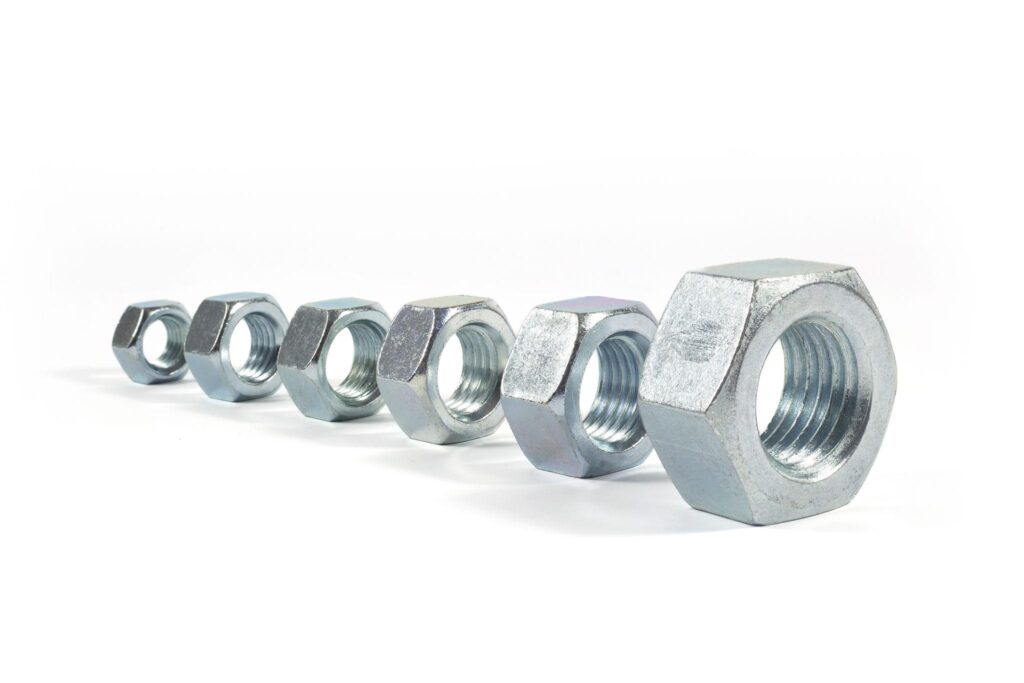
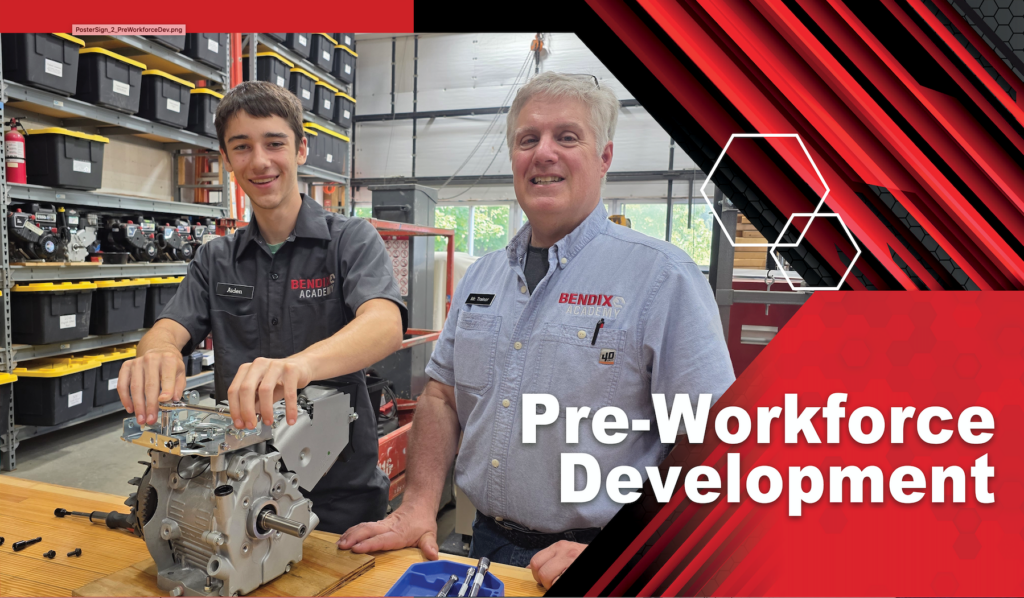
Pre-Workforce Development…
What Comes BEFORE Everything Else
One of the phrases we use at Bendix Academy is “pre-workforce development.”
It is not a common phrase, but it should be. What we are doing is not job training, not certification, and not career selection. Very importantly,
It is what must come BEFORE all of those things.
Pre-workforce development is the formation of a young person’s: Capability, Character, Confidence, Work ethic, Problem-solving ability, Identity.
It is the stage where a young person begins to understand: “I can figure things out.” Or, “I can fix things.” Or, “I can contribute.”
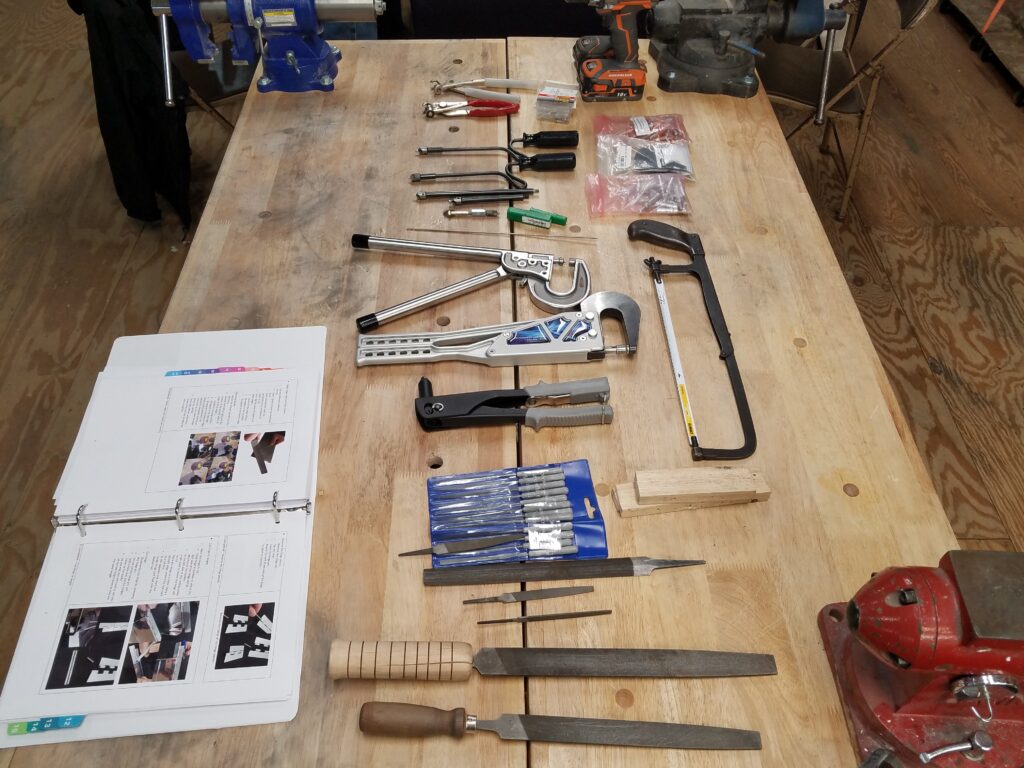
Yes, we teach toolmanship—hand tools, fasteners, materials, mechanical systems. But we are also teaching: Patience, Discipline, Professional conduct, Responsibility, Attention to detail, Pride in workmanship. These are the qualities that determine success in any path—whether that is the trades, engineering, or any other profession.
Workforce development builds on these. But it cannot replace them.
Our Impact — Far Beyond the Shop
Bendix Academy’s impact spans past, present, and future, reviving what once was, strengthening what is, and building what comes next.
In the past, mechanical skills were commonly passed down through generations, shaping self-reliant families and capable communities. Today, Bendix Academy restores that tradition through hands-on mentorship, where students gain practical skills or pursue pathways into trades and engineering, while mentors rediscover purpose and connection.
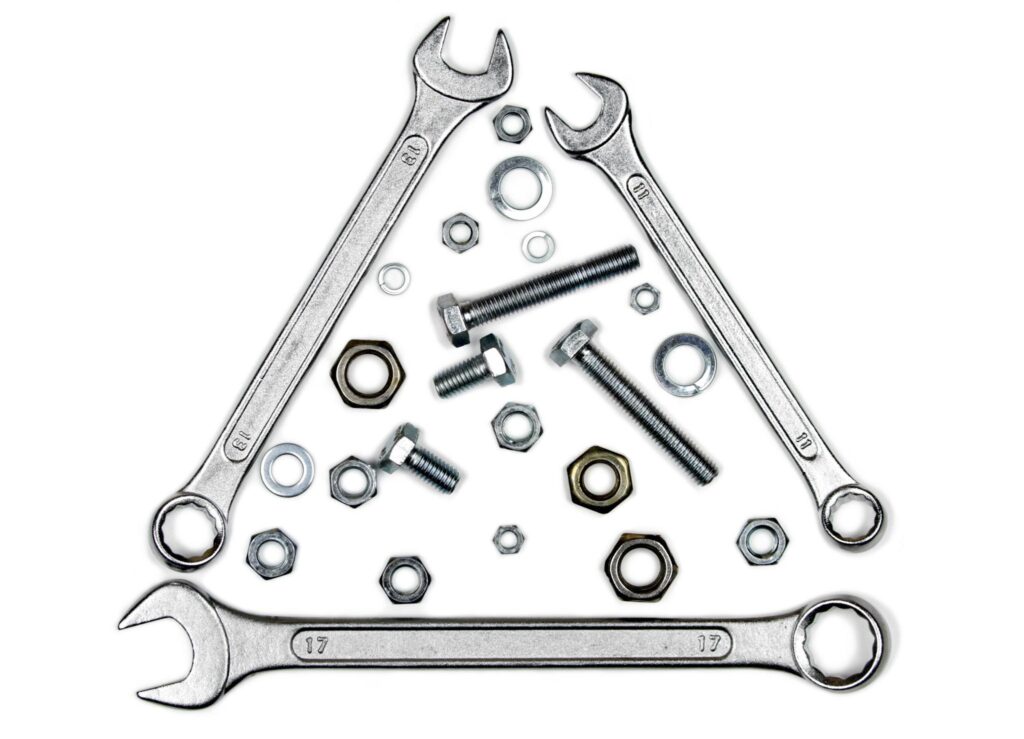
The impact of this work extends far beyond the individual student and extends far into the future.
Students
For some students, this is a pathway toward a career: Trades, Engineering, or Technical services.
For others, it is something equally important: The ability to be mechanically self-reliant in their personal lives. To fix things. To help others. To contribute wherever they go.
Mentors
For our mentors—many of whom are retired—this work provides purpose, meaningful activity, a way to pass on decades of experience, a renewed connection to the next generation, a deep satisfaction in teaching, and studies show that mental and physical health is extended when invovled in activites like mentoring.
Families
One mechanically capable person can change a family. They can reduce household costs, Solve problems quickly, help relatives and neighbors. This is how I grew up.
Communities
Communities become stronger when people help each other, when neighbors can assist neighbors, when small problems don’t turn into large ones, when people feel connected, and when local business are productive and profitable.
Workforce
And speaking for local business and industries, the workforce benefits when we help rebuild the early stages of the talent pipeline and we help young people see mechanical work not as intimidating—but as approachable, even enjoyable.
The results are immediate: families benefit from problem-solvers at home, and communities grow stronger through shared capability and support.
Looking ahead, this work helps rebuild the early stages of the workforce pipeline, ensuring that future generations see mechanical work not as intimidating, but as accessible, valuable, and even inspiring.

Beneath every hands-on lesson at Bendix Academy are deeper principles that shape how students think, act, and contribute to the world. They learn a sense of duty to help others, the importance of careful observation and attention to detail, and a respect for the ingenuity of those who came before them.
Through their work, they begin to understand how systems—and people—are interconnected, while developing discipline, adaptability, and professionalism.
We are teaching students:
That they have a duty to help others
How to observe carefully and notice details
How to respect the ingenuity of those who came before us
How things are connected—literally and figuratively
How to work with discipline and order
How to adapt when things don’t go as planned
How to carry oneself professionally
These are not just shop skills, but life skills—lessons that remain with them long after the tools are put away.
A Mission That Cannot Fit in One Sentence
As you can see, we have put a great deal of thought into this. And yet, we still express it in one sentence. Because that is what a mission statement is meant to do.
But behind that sentence is a living, breathing body of work. A philosophy. A responsibility. A calling.


If you believe, as I do, that restoring mechanical self-reliance and mentorship is critical to the future of our communities—and our country—I invite you to support this work.
If you have questions, I welcome the conversation. And if you have the opportunity to visit us in person, I encourage you to do so.
Because once you see it—once you watch a student gain confidence, once you hear the stories shared between generations—you will understand.
This is more than a program. This is something worth rebuilding.



Read Toolman Times Vol. 2, No. 1 – Spring 2026 articles below:
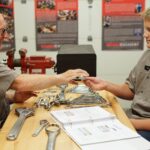
Passing Mechanical Self-Reliance On to the Next Generation

The Way It Was - A Reflection by Our Founder Todd Trainor

Our Mission - One Sentence, A Lifetime of Meaning
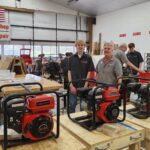
History of Bendix Academy and Toolmanship Mentoring
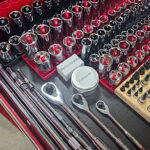
Most Important Tools - Patience & Perseverance

Student Scholarship Fund - Spreading Toolmanship
See Bendix Academy in Action!
Visit us, or have us present to your group.
A picture speaks a thousand words, but a visit is priceless.
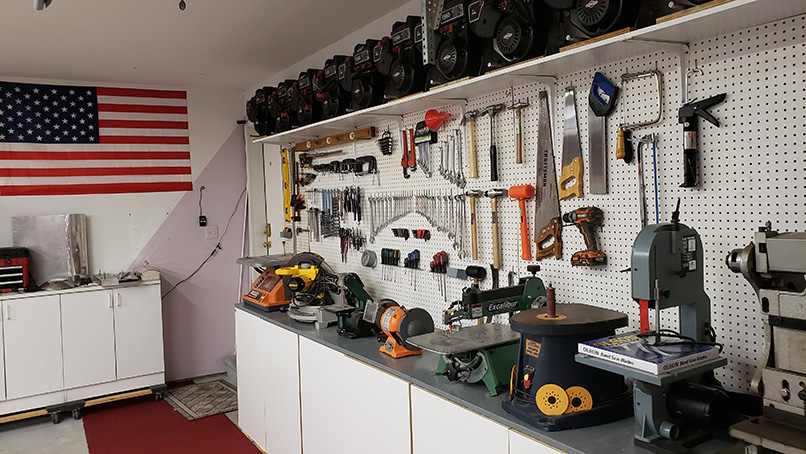
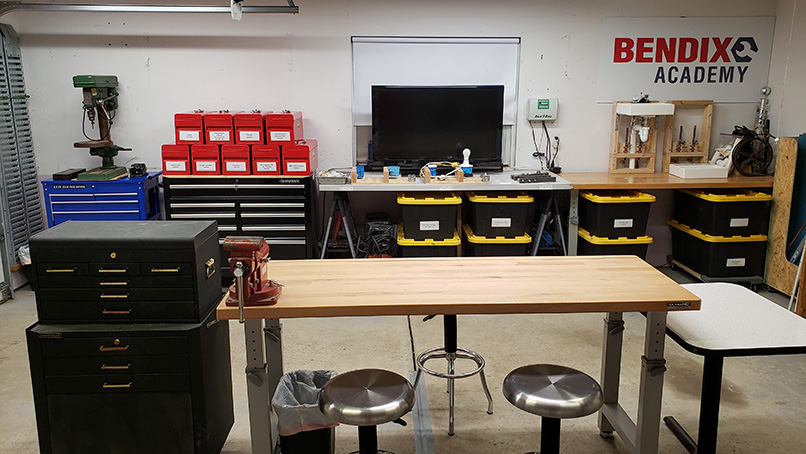
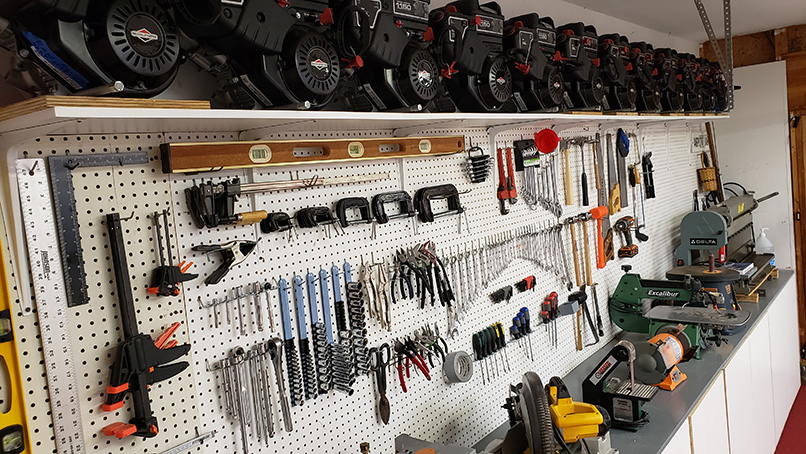
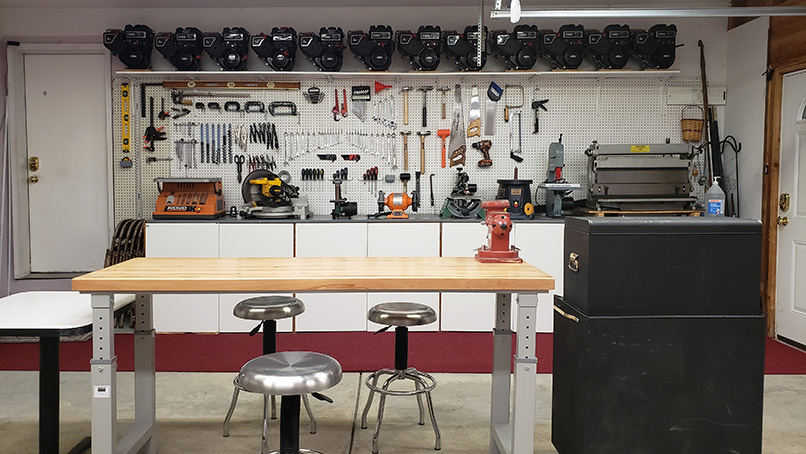
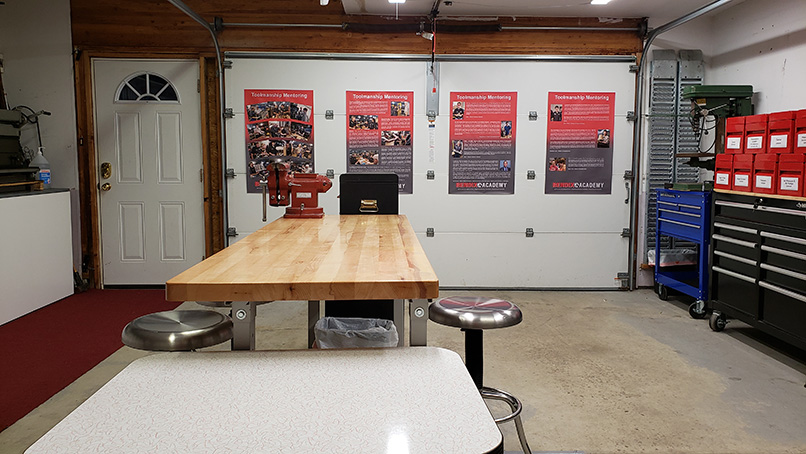
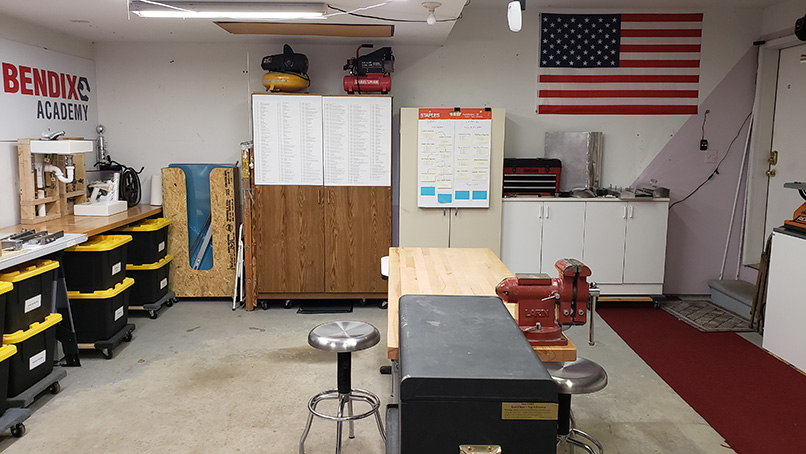
Come visit our workshop! Bendix Academy invites everyone with interest to email toolmen@bendixacademy.org or call us at 810-599-4035 to schedule a tour (no walk-ins please) and see why we're growing.
Can't visit us? We can visit you!