By Todd Trainor, Founder and Program Director of Bendix Academy
I am often asked,
“How did you come up with the idea for a toolmanship mentoring program?”
It’s an interesting beginning, so I thought I would share a brief history of the Bendix Academy Toolmanship Mentoring program—along with the inspiration and purpose-driven path that led to this work that is now changing lives daily, and even hourly, with every lesson we deliver.
I was the last of five children and one of thirteen grandchildren. My family was not wealthy. We were frugal. We fixed things when they broke and rarely bought new unless we absolutely had to. I learned so much from my father and grandfather during those years.
Eventually, I became an adult, attended college, and began my career. But throughout it all, I carried those early lessons with me—I continued to repair and make instead of buy, just as we had done growing up.
For much of my early adult life, I looked forward to the day when I would have children of my own and pass down the art and skill of using tools and solving problems, just as my father and grandfather had done for me—with love, patience, and perseverance. Sadly, after years of trying, my wife and I were never able to have children. It was deeply disappointing.
While I spent years working to reframe my life and find purpose without children, I began filling my spare time by teaching toolmanship skills to other people’s children. And one day, it struck me—this is my purpose.
It seems so clear to me now. I embrace it with passion and conviction. I believe this is God’s plan for me: to pass along the skills of using tools and solving mechanical problems to as many young people as possible. This is the gift I’ve been given, and I intend to give it away as often as I can.
And so, with a renewed vision and a sense of mission, I eventually founded Bendix Academy.
But there were important steps along the way—a personal journey that helped pave the path. Here is that story.
Early Seeds
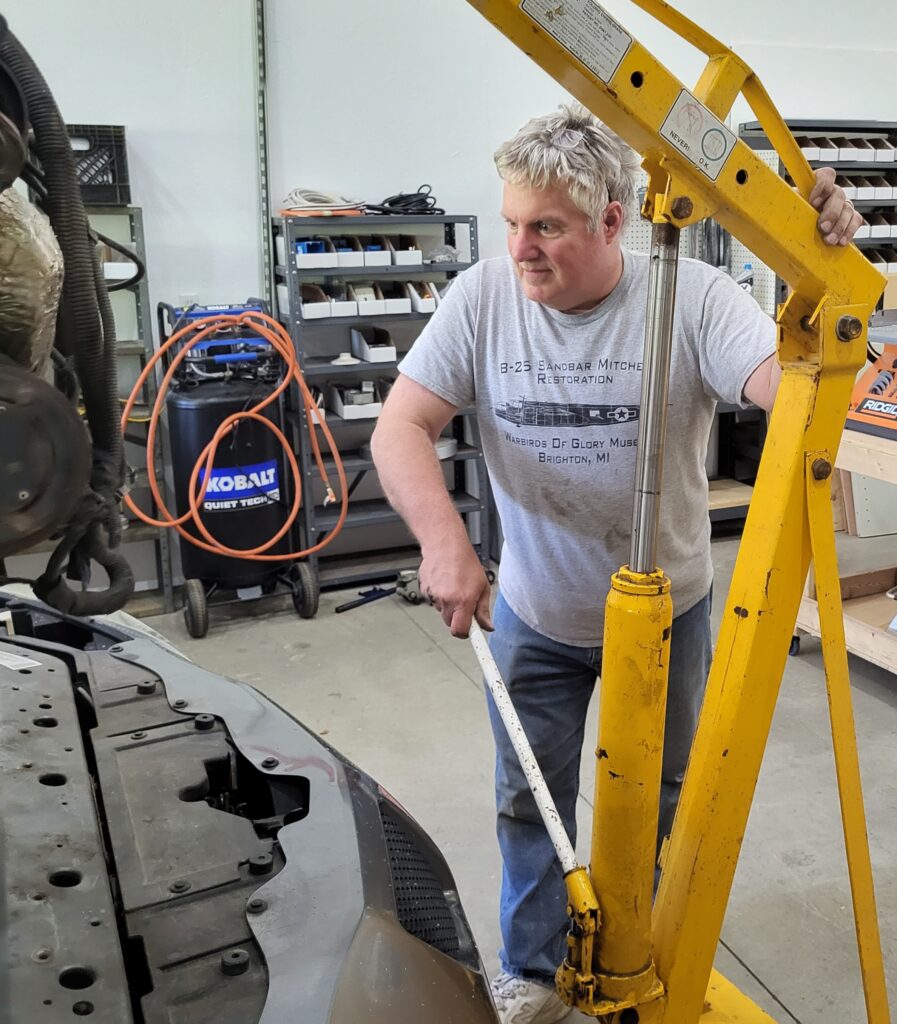
In 2013, my friend Patrick and I launched the Warbirds of Glory Museum, centered around a crashed WWII B-25 bomber that we recovered from the Alaska wilderness.
The museum naturally attracted young teens who wanted to help restore this historic aircraft. In those early years, these teens often arrived with some level of mechanical skill already in place—skills they had learned from their fathers and grandfathers. Our role was to help them advance into more complex areas like aviation mechanisms, restoration techniques, and parts fabrication.
We never advertised a youth program. It simply happened. Each year, through word of mouth or a simple Facebook post, new teens would arrive, while older ones moved on to college, the Air Force, or careers.
Then something changed.
Around 2017, the steady flow of new teens stopped. The drop-off was sudden and noticeable.
It seemed to coincide with broader cultural shifts—smartphones, changing habits, and a different pace of life.
“Many of the teens who came no longer had foundational mechanical skills from home. They wanted to work on the airplane—but didn’t yet know how to use basic tools.”
– Todd noting changes with the advent of the cellphone
A Turning Point
Around that same time, my own life was shifting.
Although I had grown up with toolmanship skills, I had spent decades in the IT industry, starting in 1984 and eventually becoming a senior project manager implementing storage solutions for large companies. By 2017, I had grown weary of the corporate environment and stepped away.
It was also later in life that I discovered I am on the spectrum and have adult ADD—something I now recognize not as a limitation, but as a kind of superpower.
So 2017 became a year of change.
That was the year we launched a small internal program at the museum called Kittyhawk Academy.
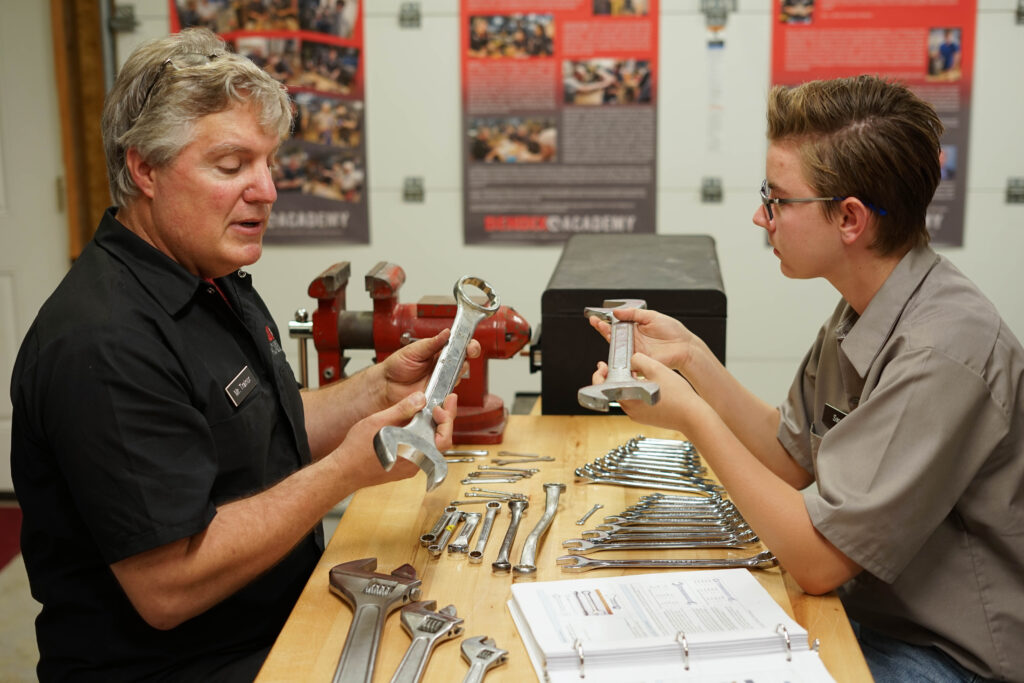
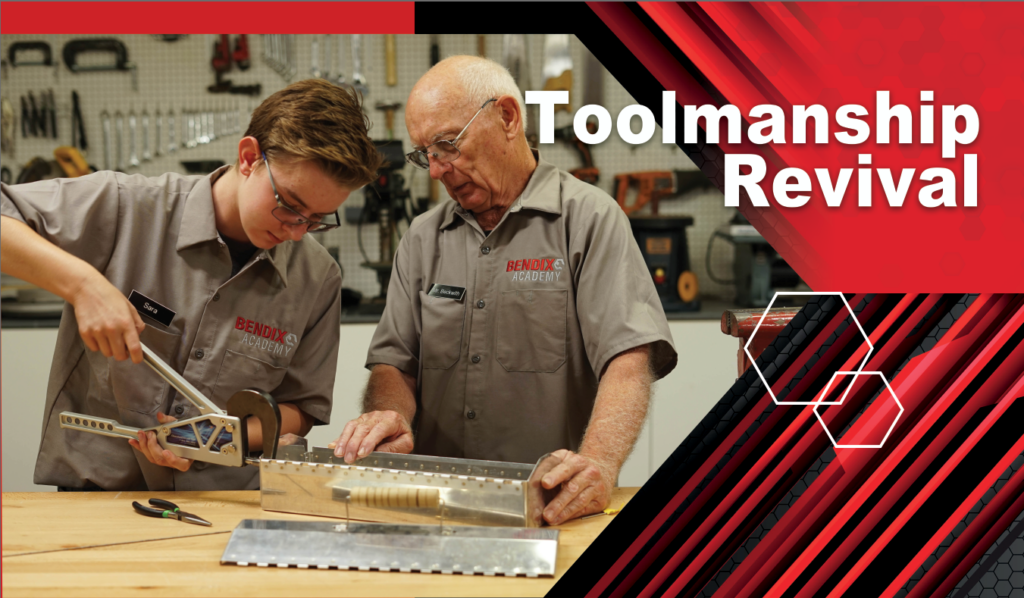
Mr. Beckwith and I set up a modest space to provide foundational lessons to two neighborhood teens—teaching basic skills in tools, materials, and methods so that Patrick, our chief mechanic, didn’t have to start from scratch explaining how to turn a screwdriver.
A few days before each lesson, Mr. Beckwith and I—usually over lunch at Subway—would talk through ideas and sketch out the next lesson on a napkin.
We gathered tools and materials from around the shop. It was simple, informal, and unpolished.
There was no long-term plan. No intention of scaling it.
“It was, in many ways, the quintessential “afternoon with a grandparent.”
– Todd describing Kittyhawk
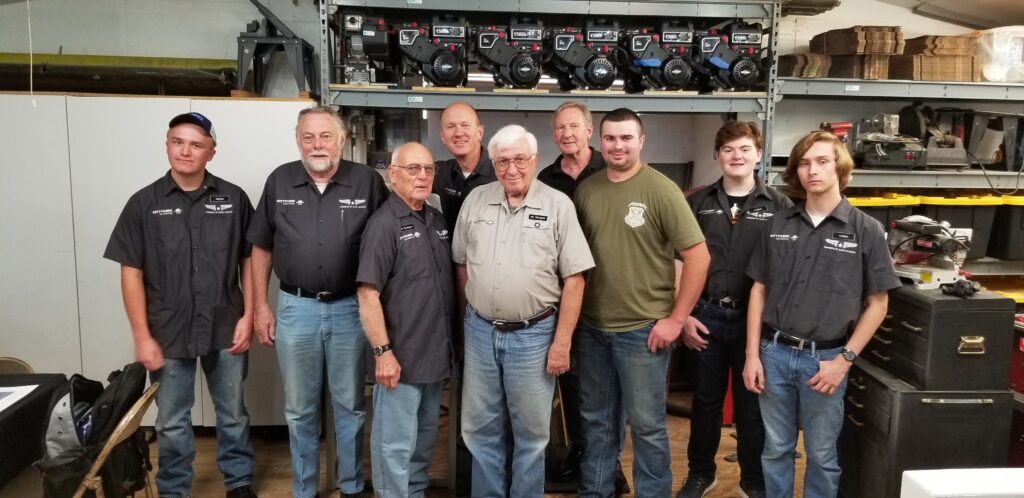
Above: Todd and mentors at Kittyhawk
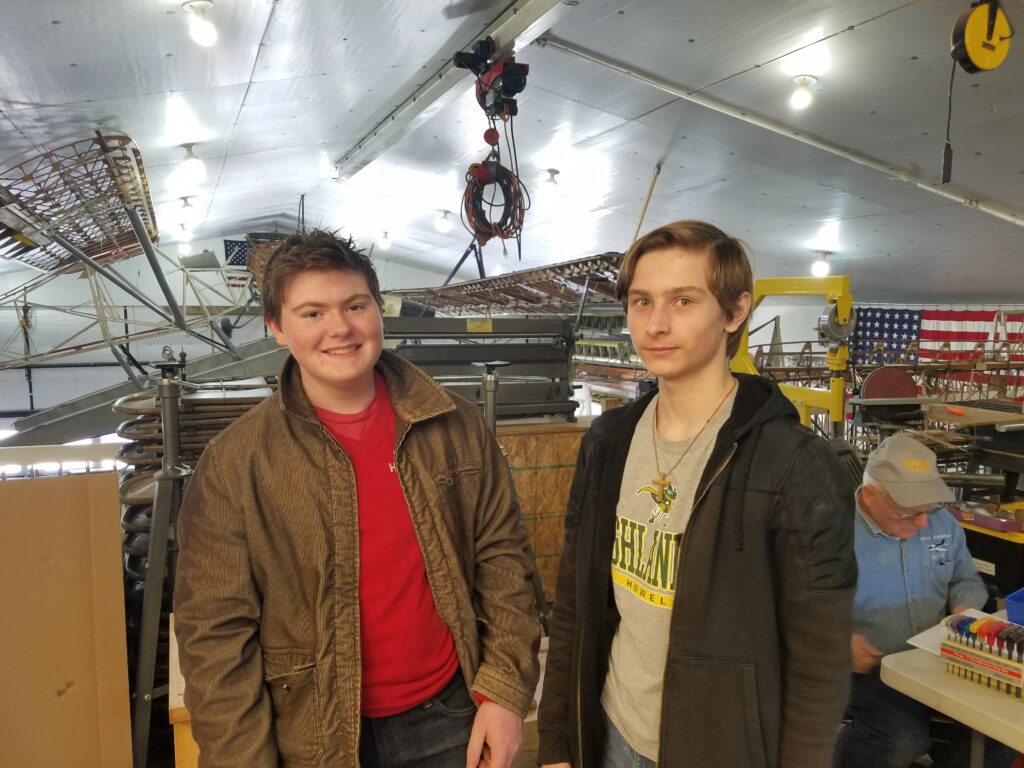
First two Kittyhawk students
Something Bigger Emerges
Those two boys loved it. They came every week—after school and in the evenings.
Their mothers saw the progress and shared their experience with others. Soon, a third student joined—this time a girl. Then another. And another.
A pattern began to emerge.
I started documenting what we were doing and adding structure so the lessons could be repeated. Within a year, we had grown to 17 students and 11 mentors.
It was remarkable.
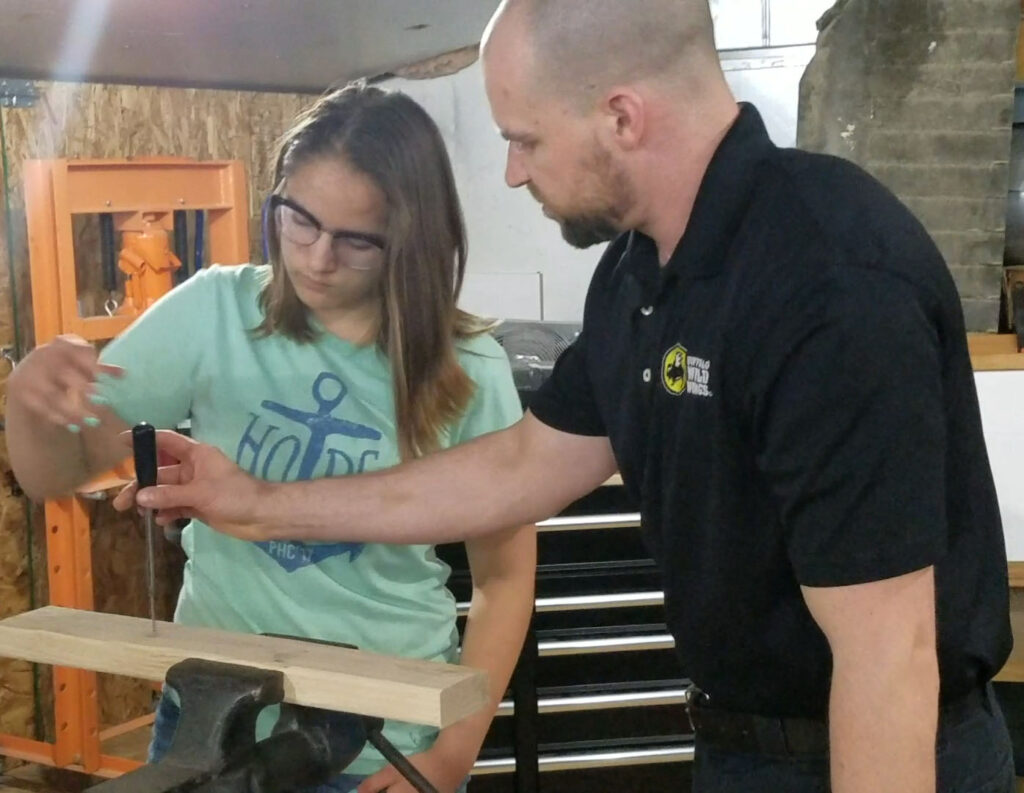
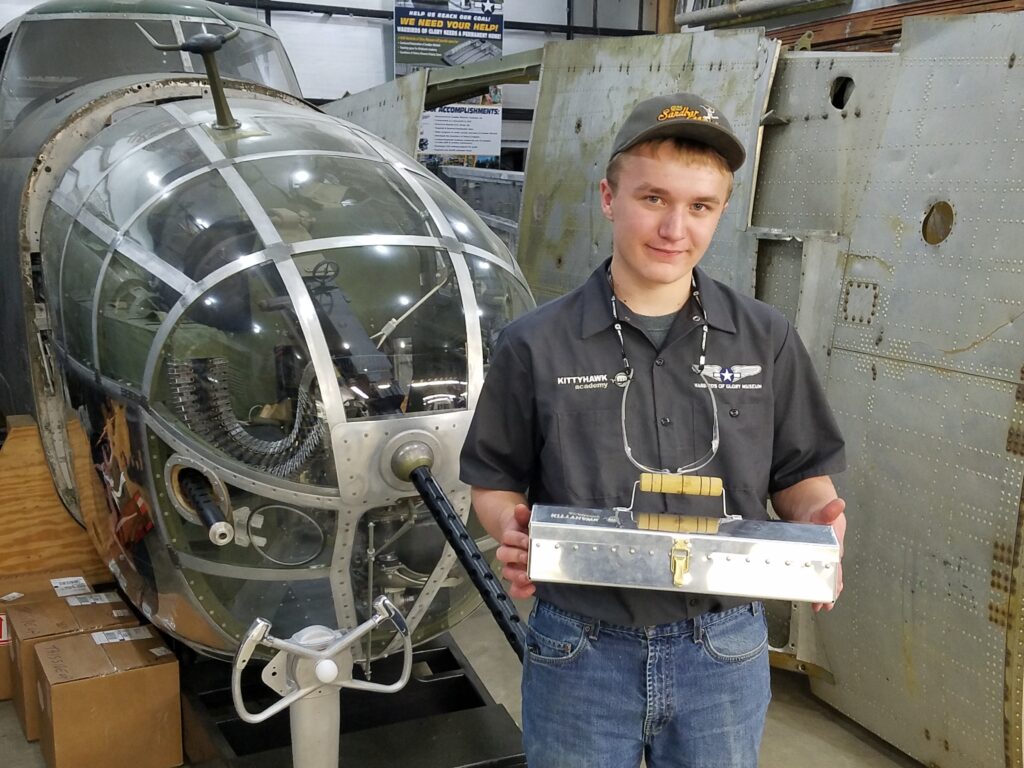
But we also noticed something important: many of the students were not interested in working on the B-25. They simply wanted to learn how to use tools and fix things.
So we expanded. We introduced lessons in plumbing, electrical, small engines, and general household repairs.
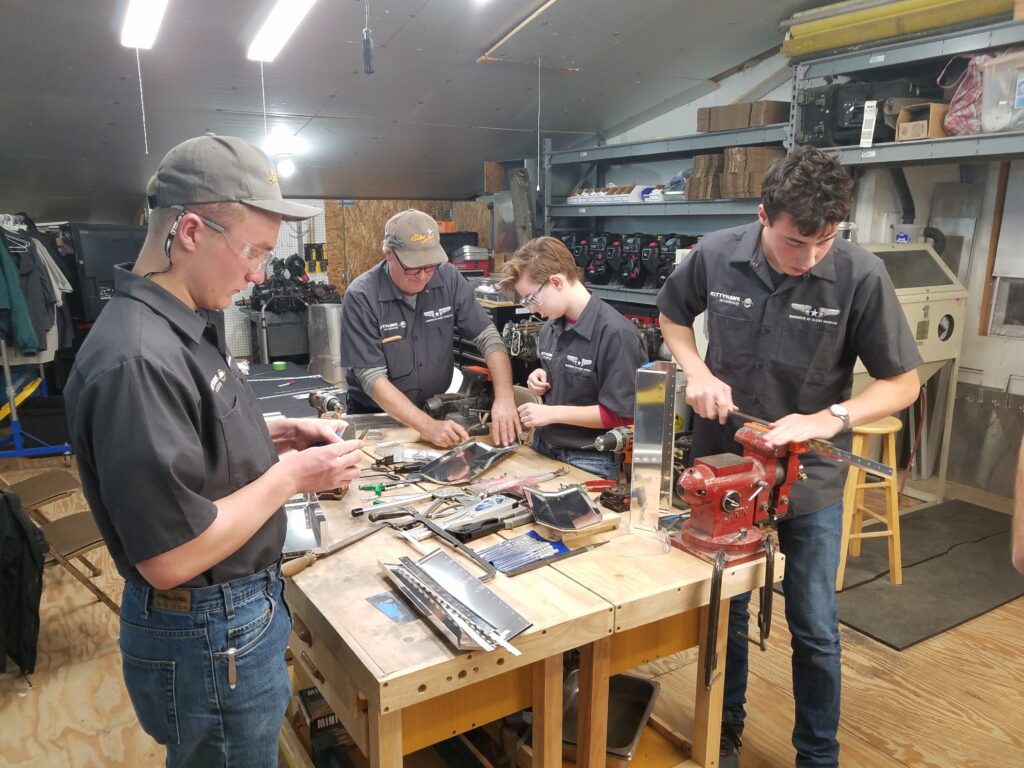
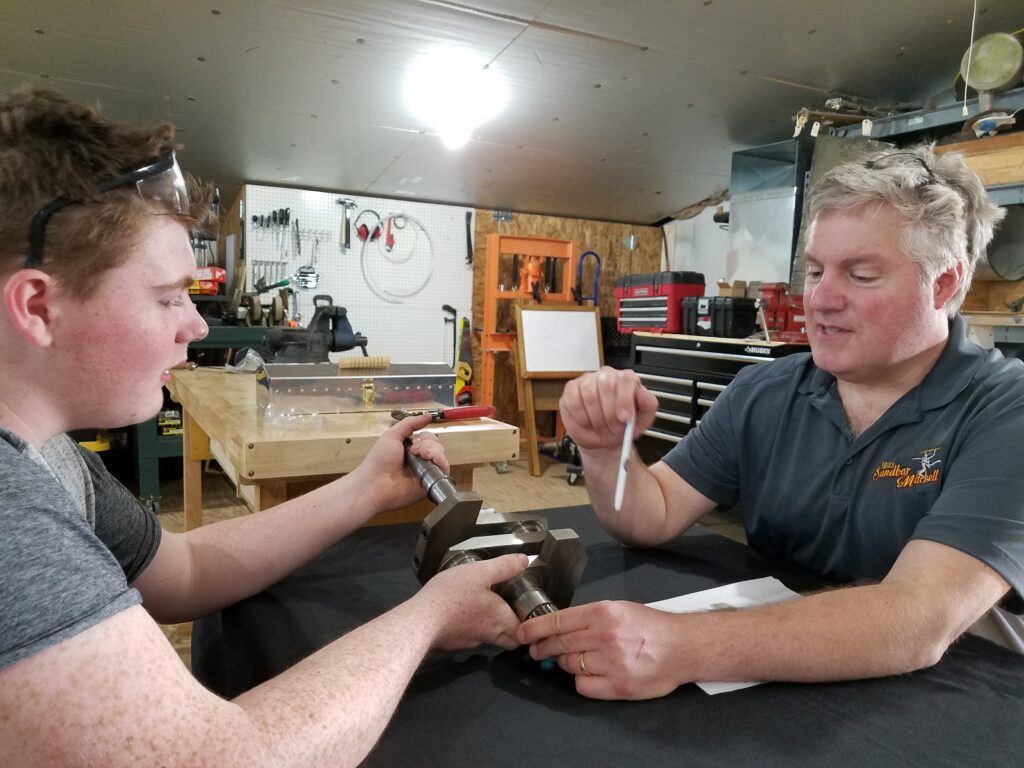
The program was still informal, but it was growing rapidly—and drifting away from its original purpose. There was no grand strategy. It simply evolved.
And in that evolution, we discovered something significant:
Our community lacked opportunities for young people to learn the art and skill of using tools and becoming mechanically capable.
The Birth of Bendix Academy
In late 2019, with permission from the museum board, I was given the opportunity to separate the program and carry forward the materials we had developed to form a new organization: Bendix Academy.
The goal was clear—to fill the growing void in our community for toolmanship mentoring opportunities for pre-teens and teens.
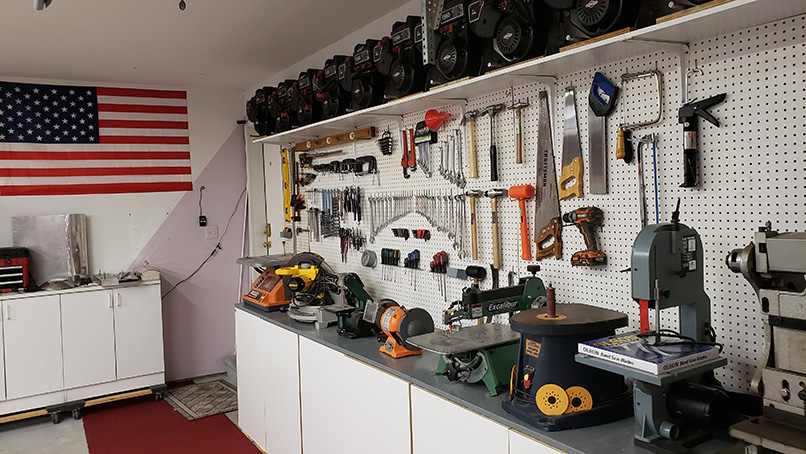
I stepped into the role of Founder and Executive Director. This would be the third nonprofit I had started.
The plan was ambitious but straightforward: take five months to secure a location, form the nonprofit, establish governance and standards, and begin mentoring again with our existing students.
But in March 2020, the COVID pandemic struck.
Everything paused.
The Pandemic Pause
What I initially saw as a delay became something else entirely.
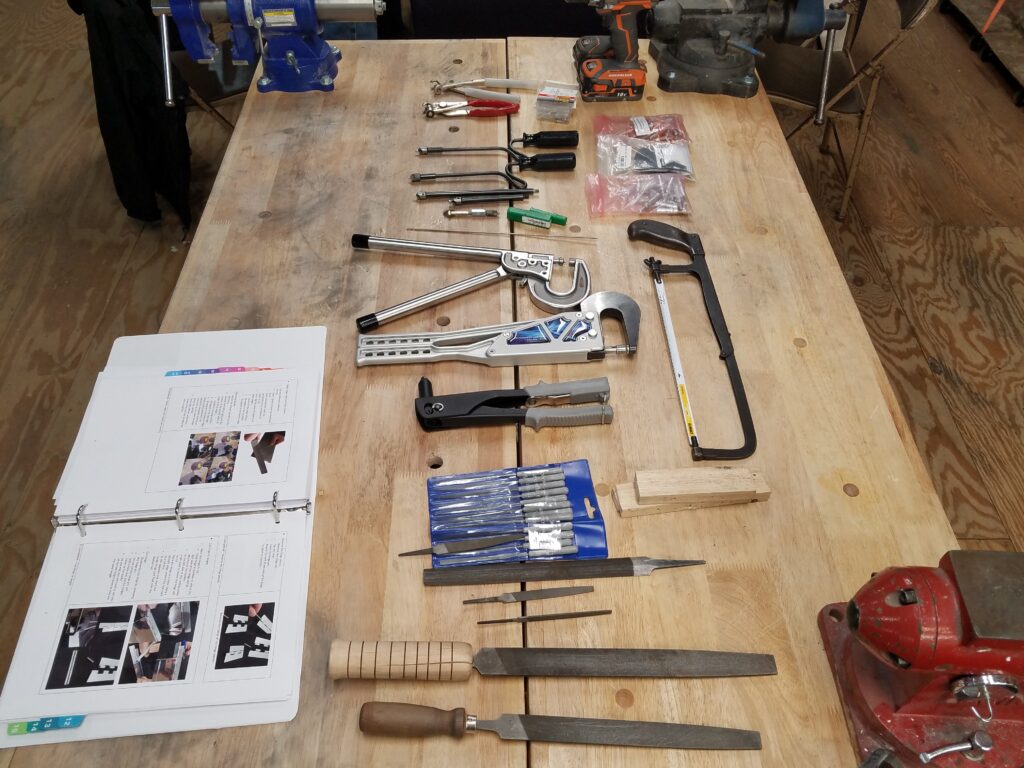
For 18 months, what I now call the “Pandemic Pause,” a small core group of volunteers and I focused on building the foundation we would need. We worked on making lessons repeatable and consistent, defining our mission and vision, developing a curriculum, and organizing the structure of the program.
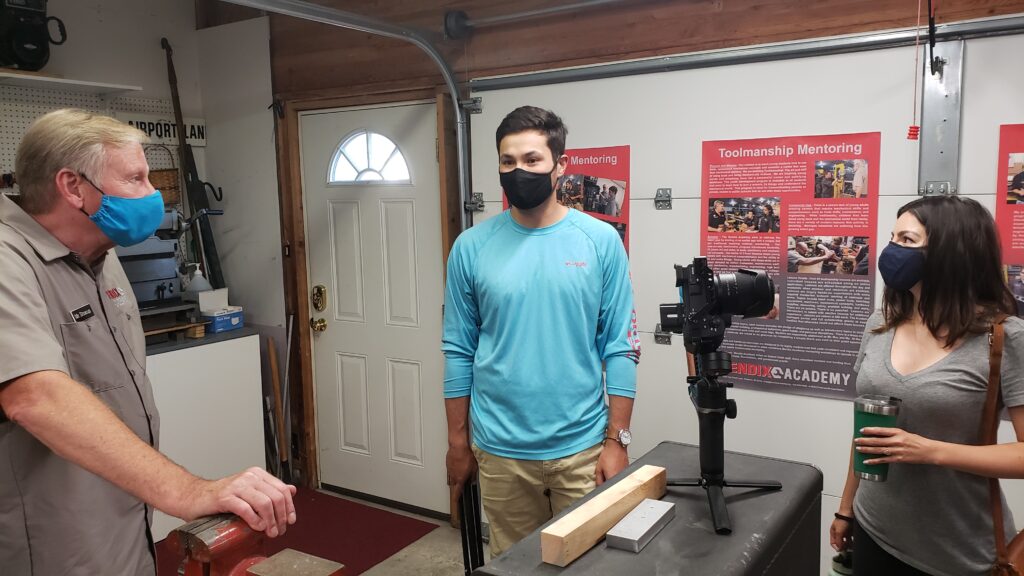
Looking back, that time was a gift.
I cannot imagine trying to build the organization while simultaneously delivering lessons at scale. That quiet season allowed us to do the deep work that would support everything that followed.
Starting Again
In early 2022, we officially launched Bendix Academy.
By then, our original Kittyhawk students had aged out and moved on. We were starting from scratch—with no students.
And not in a leased facility, as I had once imagined.
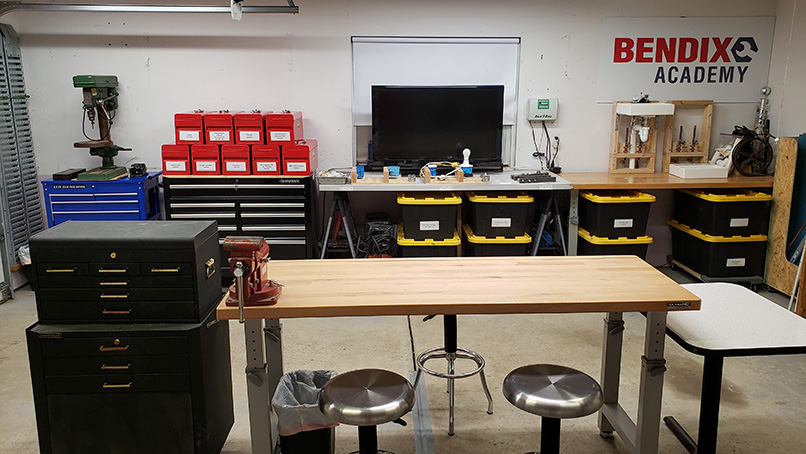
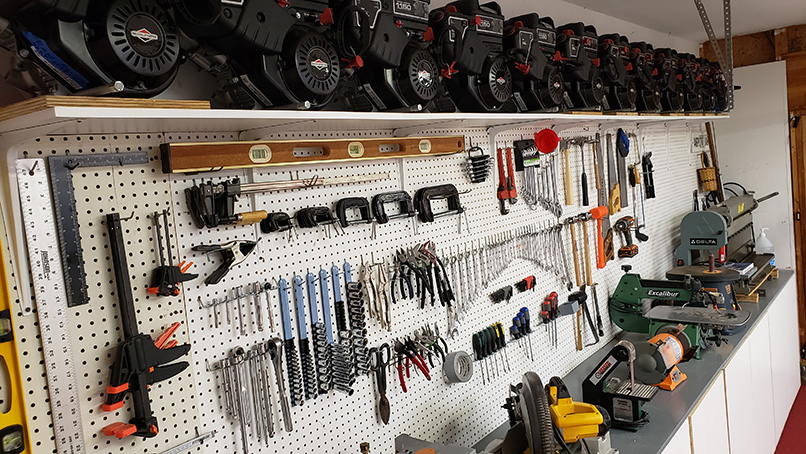
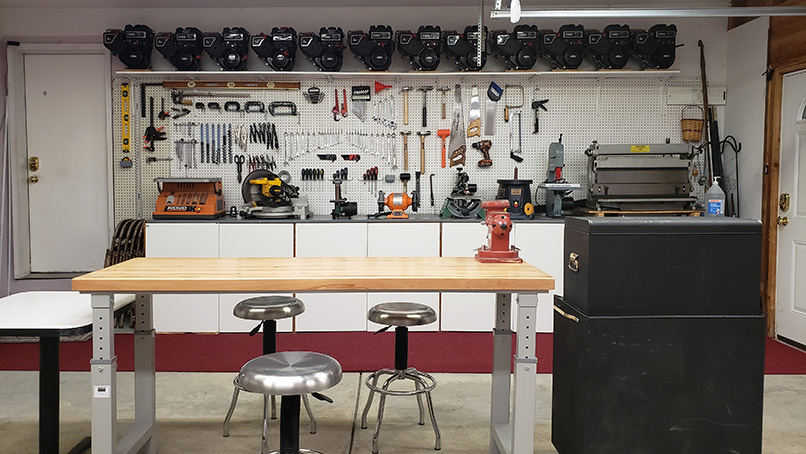
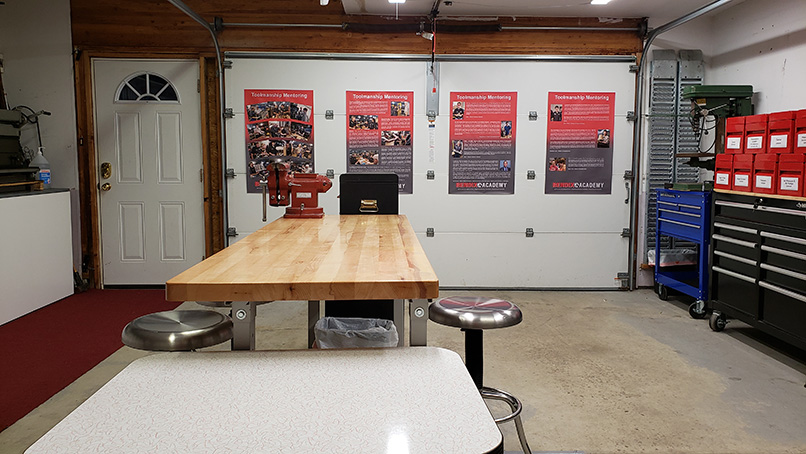
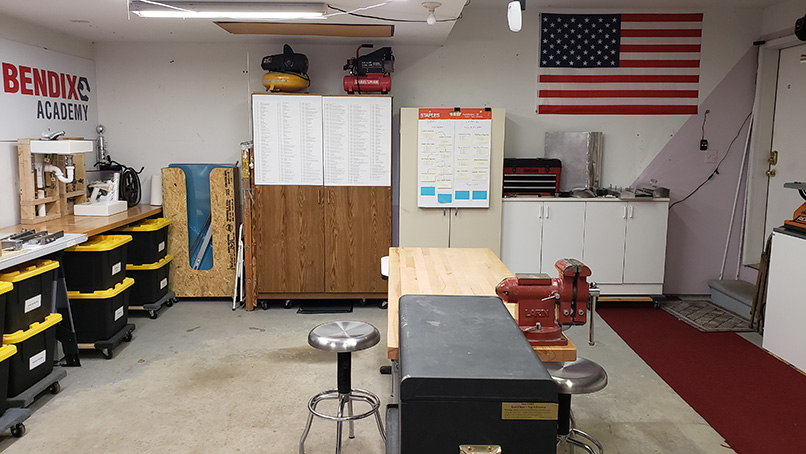
We started in my 20 x 20 garage, with one student and two mentors. We had no funding.
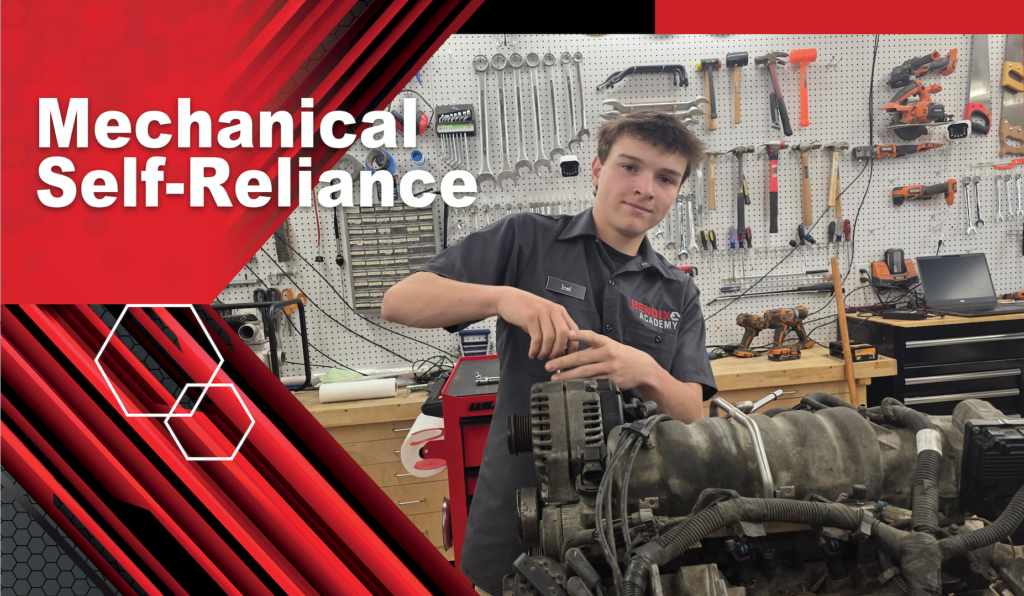
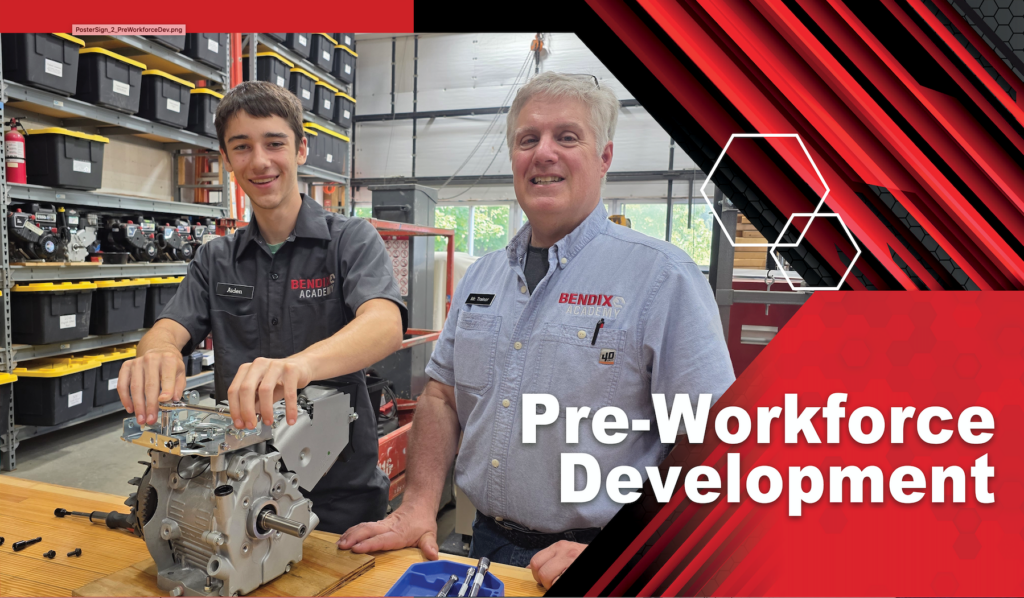
That season became a proving ground. We refined our early lesson plans, worked through challenges, built workbenches, and created meaningful hands-on experiences.
That year, we delivered 17 lessons to 4 students. Not many—but we were building something real.
I was very intentional about our pace. While there was clear potential to grow quickly, I was determined not to get out ahead of ourselves. That decision—to grow slowly and deliberately—has shaped who we are today.
The Story Continues
And the story is still being written.
In future issues, I’ll share more about how Bendix Academy has grown and the impact we are now seeing in students, families, and our community.
But none of this happens alone.
If this story resonates with you, I invite you to be part of what we are building. Your support helps us continue this work and expand it to reach more young people—right here in our community, and one day, far beyond it.
Read Toolman Times Vol. 2, No. 1 – Spring 2026 articles below:
Passing Mechanical Self-Reliance On to the Next Generation

The Way It Was - A Reflection by Our Founder Todd Trainor

Our Mission - One Sentence, A Lifetime of Meaning
History of Bendix Academy and Toolmanship Mentoring

Most Important Tools - Patience & Perseverance

Student Scholarship Fund - Spreading Toolmanship
See Bendix Academy in Action!
Visit us, or have us present to your group.
A picture speaks a thousand words, but a visit is priceless.
Come visit our workshop! Bendix Academy invites everyone with interest to email toolmen@bendixacademy.org or call us at 810-599-4035 to schedule a tour (no walk-ins please) and see why we're growing.
Can't visit us? We can visit you!